Advanced Biosensing
Our R&D brings together years of expertise in biosignal decoding, myoelectric control, wearable sensing, prosthetic technologies, and assistive devices.
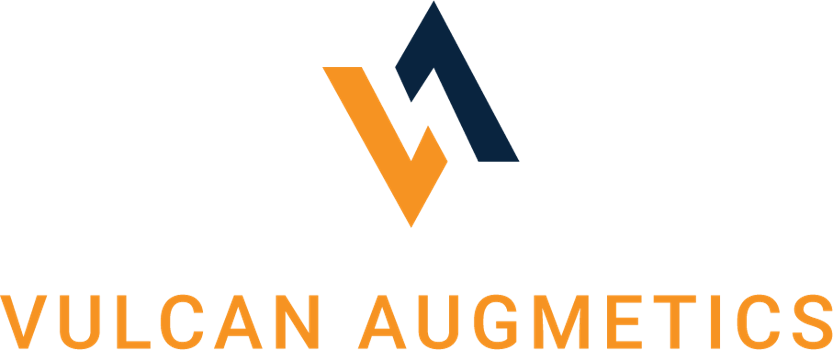
Human sensing technology
Turning biosignals and movement data into a clearer understanding of how your body moves, performs and changes over time.
Every Vulcan sensing platform is designed for multiple different clinical applications.
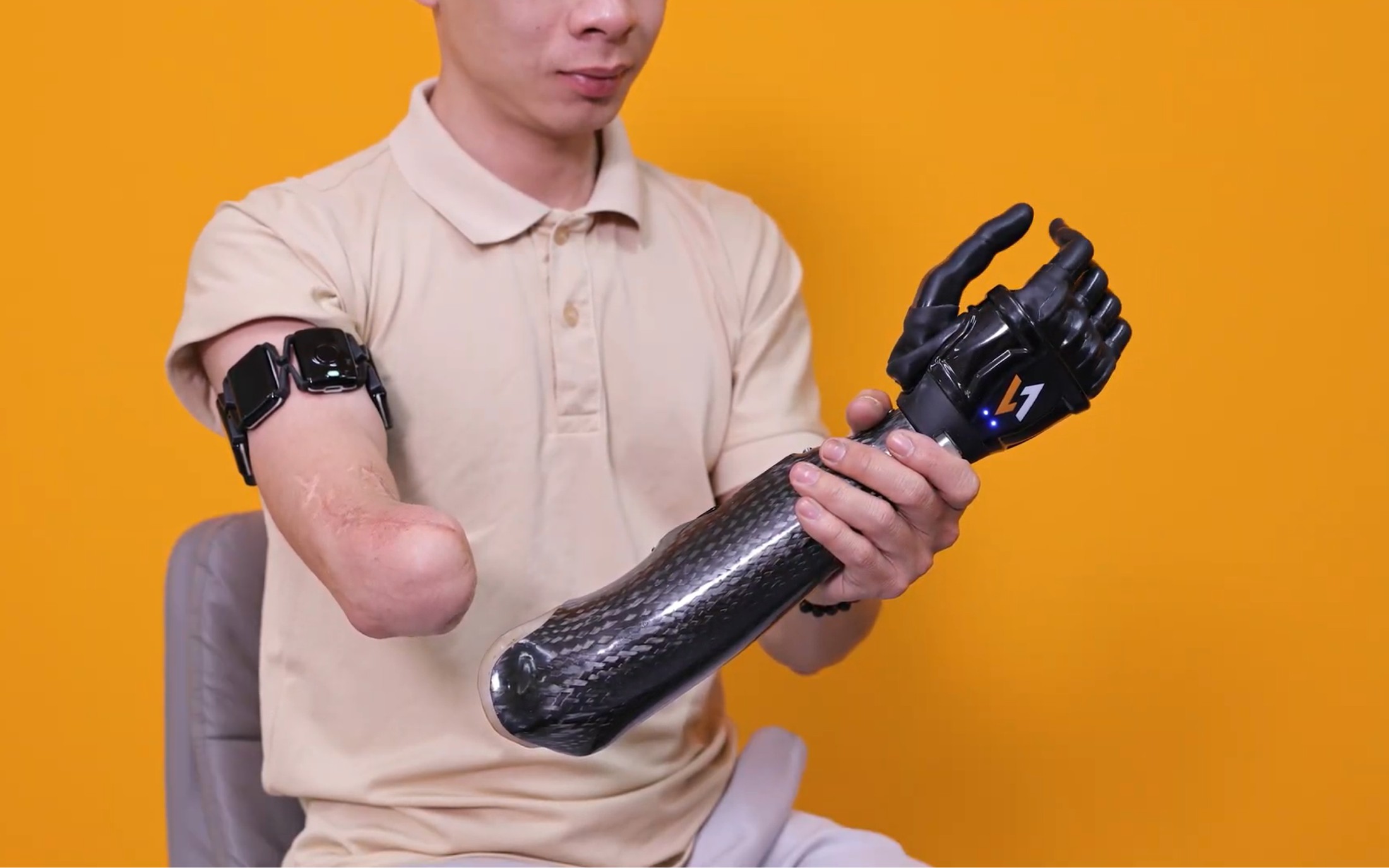
Vulcan Prosthetics
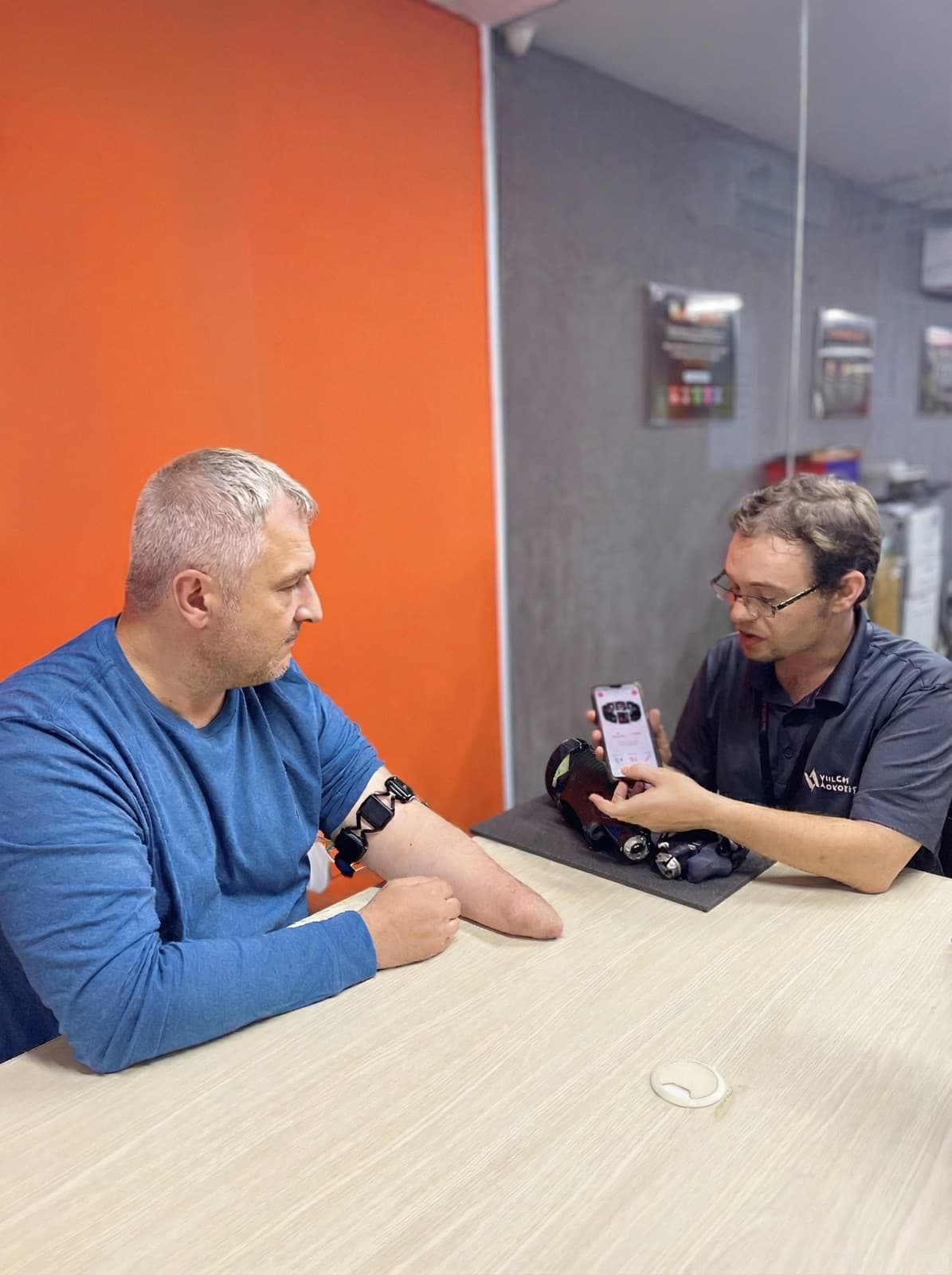
Advanced biosignal decoding and wearable sensing platform for reliable prosthetic control across clinically challenging conditions.
(weak EMG signals, short residual limbs, osseointegration, bracial plexius injury, etc)
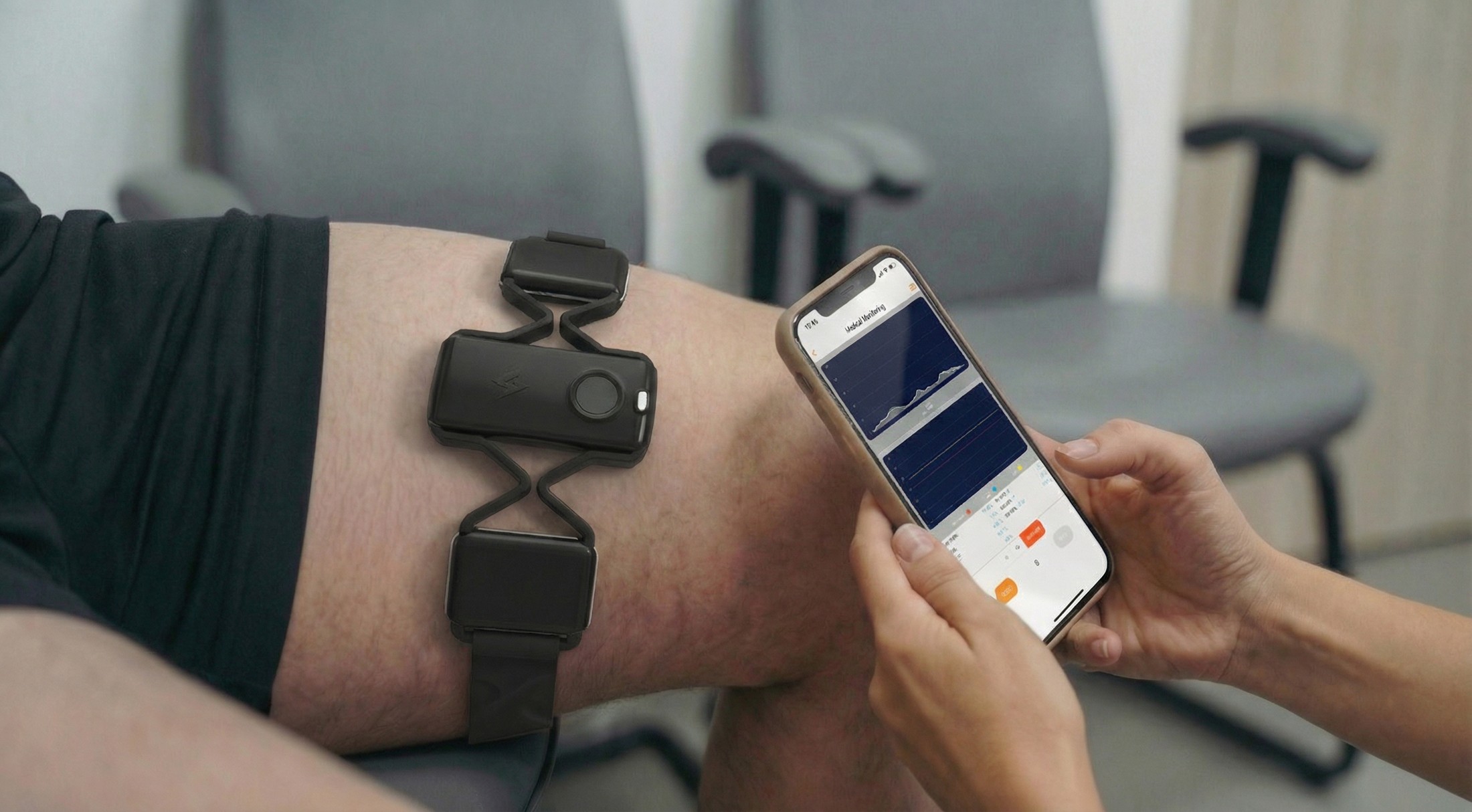
Vulcan MSK Platform
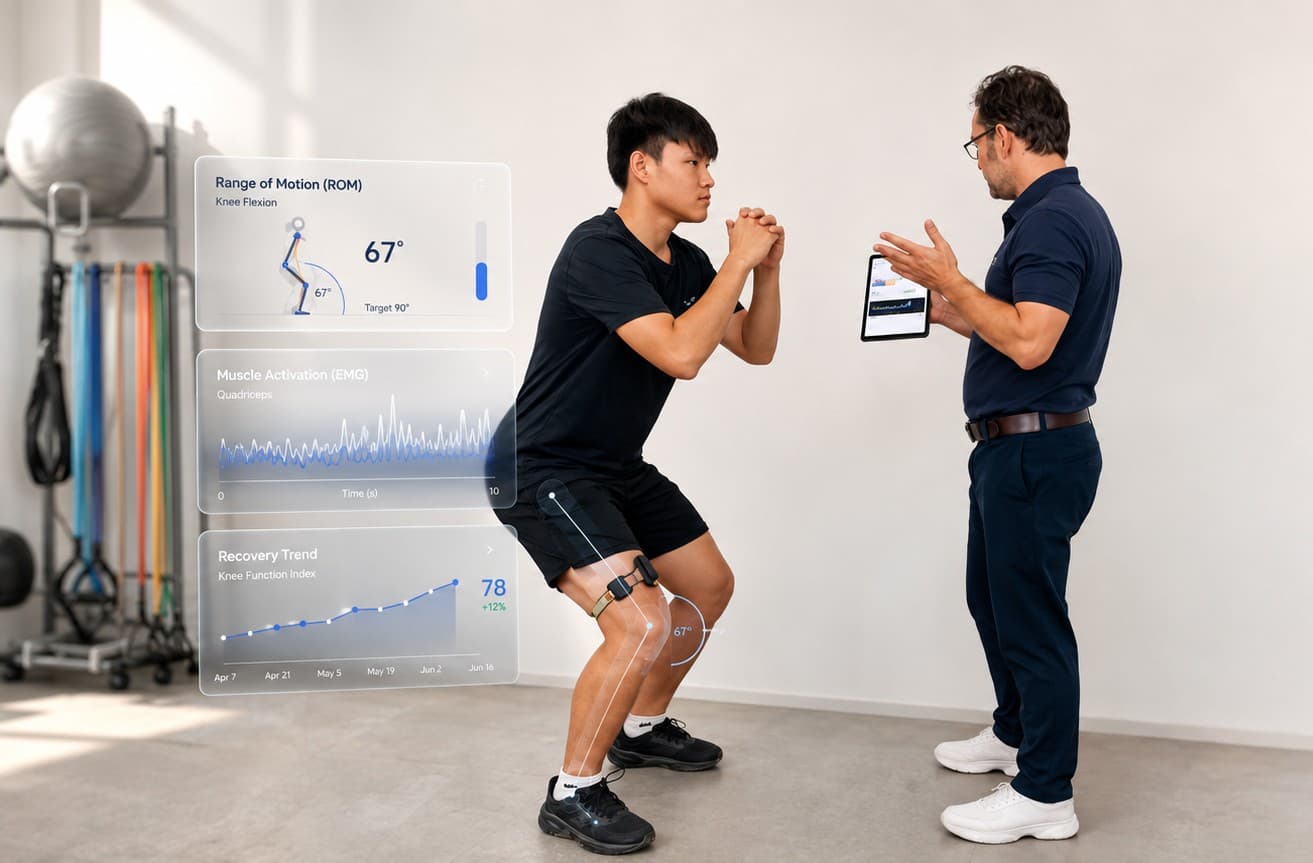
An integrated sensing and software platform helps users and care teams measure, connect, organize and display objective measurements during sessions across multiple musculoskeletal rehabilitation.
We build around real human needs and clinical challenges, creating technology around the people who use it and those who support them.
We do more than capture raw data. We turn complex signals into information with clinical context that is easier to understand, review, and use.
Our solutions are designed to be intuitive, accessible and practical to deploy in clinical and everyday settings.
We combine sensing and software into flexible systems that can evolve across different users, needs, and applications.
Our R&D brings together years of expertise in biosignal decoding, myoelectric control, wearable sensing, prosthetic technologies, and assistive devices.
Co-developed and clinically evaluated alongside leading Orthopedic hospitals and international pilot projects
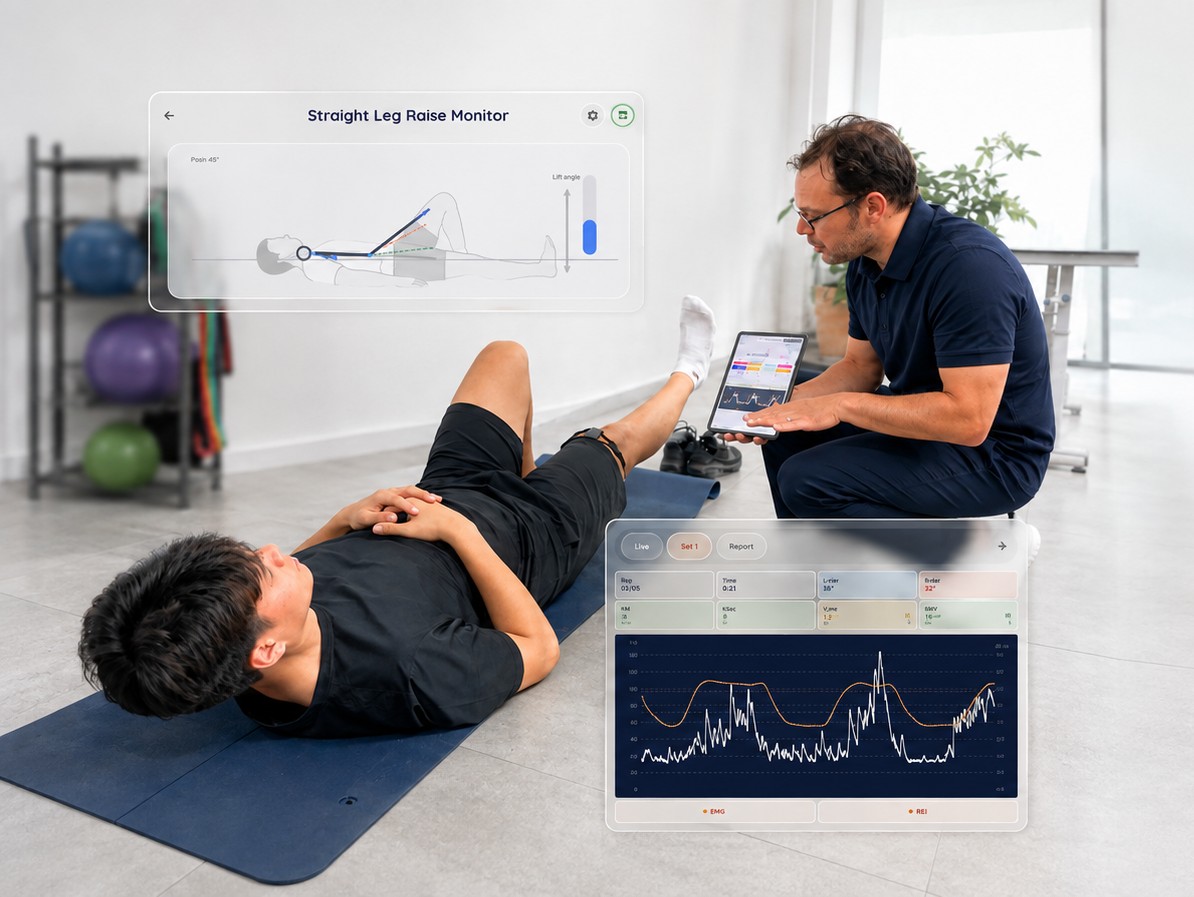
Vulcan MSK captures objective measurements of muscle activity, range of motion (ROM), movement, and physiological responses during rehabilitation sessions. These include Electromyography signals for muscle activation, Inertial sensing for joint-angle and movement data, as well as another sensing for selected physiological measurements
Yes. Vulcan MSK is designed to support comparison across patient sessions over time. Clinicians can review changes in metrics such as EMG activity and range of motion, compare the affected and unaffected sides, and track trends across sessions.
Current applications include ACL reconstruction, total knee replacement, rotator cuff repair, sports rehabilitation, clinical assessment, and connected rehabilitation monitoring. The configurable platform is also being developed for future musculoskeletal applications.
No. Vulcan MSK is not a diagnostic tool. It is designed to provide objective movement, muscle, and physiological data that clinicians can use as an additional reference when assessing a patient’s condition and monitoring rehabilitation progress. It does not replace a clinician’s diagnosis or professional judgment.
Discover how Vulcan platforms help you measure more, understand more, and make more informed clinical decisions.